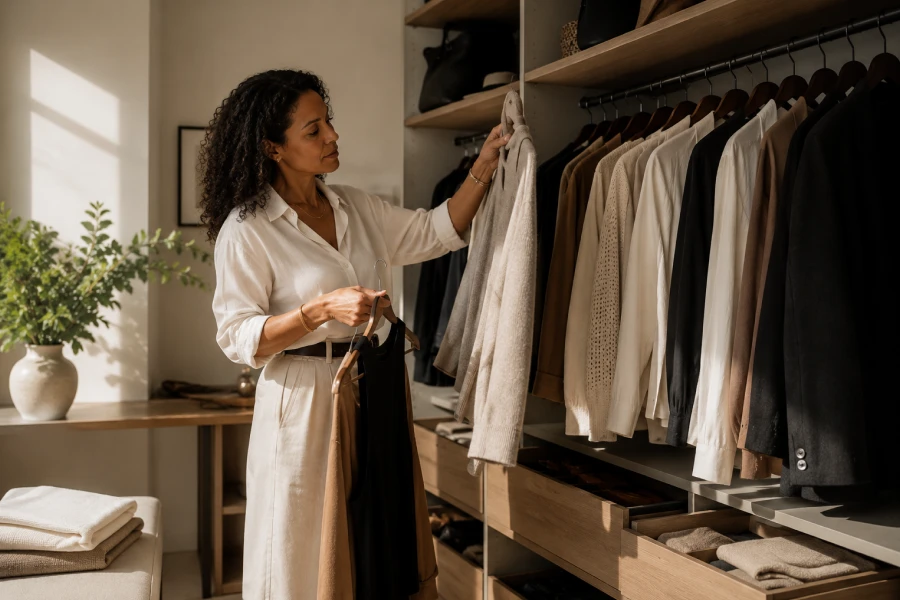
A functional wardrobe supports your real life before it tries to impress anyone else. Learning how to build a functional wardrobe begins with understanding what you wear, where you go, and how you want to feel. The goal is not to own a rigid collection of basics. It is to create a group of clothes that can respond to different days with ease. Strong wardrobes make room for work, rest, social plans, errands, travel, and changing weather. They also make getting dressed less stressful because your best options are easy to find. Function comes from fit, comfort, coordination, and clear purpose. When those elements work together, style becomes more consistent. You stop relying on last-minute purchases to solve everyday problems. Instead, your closet becomes a dependable resource that grows more useful over time.
Function does not mean abandoning the details that make your style personal. In fact, a useful closet should make your identity more visible because it removes unnecessary distractions. Begin by identifying the signature style pieces that consistently make you feel most like yourself. This could be a particular jacket shape, color family, jewelry style, shoe silhouette, or type of bag. Look for patterns across the outfits you love most. Those preferences should guide the foundation you create. A functional closet becomes easier to maintain when the pieces reflect your natural instincts. You will wear them more often because they feel authentic. This also helps you avoid buying clothing that looks impressive but never feels comfortable. Style works best when it supports self-recognition, not constant reinvention.
You cannot use what you cannot easily see or remember. Good organization makes a functional closet feel immediately more effective. Group similar items together, keep current-season favorites accessible, and remove obstacles that hide useful pieces. Simple smart closet tools can help you track outfits, note replacement needs, and identify underused clothing. Use them as support, not as another source of pressure. A clear visual system helps you notice your strongest colors, most-worn silhouettes, and genuine gaps. It also reveals when you are accumulating duplicates. You may discover that five similar tops are doing the work of one excellent version. Better visibility creates better editing. Once your closet is easier to read, every decision inside it becomes more intentional. The result is less clutter and far more useful outfit potential.
Every wardrobe needs categories that reflect how you actually spend your time. Consider workwear, casual clothes, outerwear, footwear, social outfits, movement-friendly pieces, and special-occasion options. The exact balance will differ from person to person. Someone with a formal job may need more polished layers. Someone with an active commute may need stronger footwear and weather protection. Think about which categories regularly create stress when getting dressed. Those areas often reveal the most useful opportunities for improvement. Focus on solving one practical problem at a time. You may need better trousers, a reliable jacket, or shoes that work with several outfits. Clear categories prevent random shopping because every purchase has a place. This is how a wardrobe becomes a working system rather than an assortment of disconnected ideas.
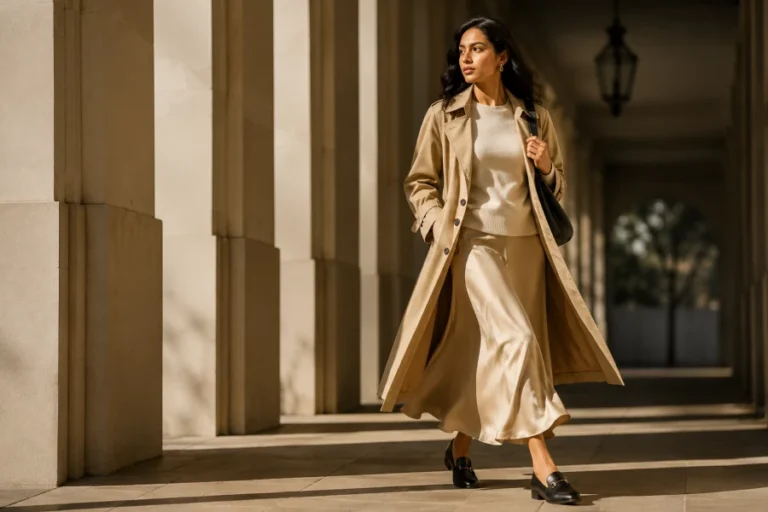
Adaptability is what allows a smaller collection to meet changing needs. Look for adaptable capsule pieces that can shift through layers, accessories, and different levels of polish. A crisp shirt can work at the office, over a tank top, or under a sweater. Comfortable trousers can look relaxed with sneakers or elevated with a structured shoe. A simple dress can move across seasons with tights, boots, cardigans, or lighter accessories. The more roles a garment can play, the more value it brings. However, versatility should not mean compromising on fit or comfort. Choose pieces you genuinely enjoy wearing in several contexts. This keeps the wardrobe flexible without making it generic. Over time, adaptable pieces become the quiet backbone of your strongest outfits. They are often the items that make everyday style feel most effortless.
Functional style grows through observation, not through a single dramatic shopping trip. Spend time noticing what you wear, what you avoid, and what you keep wishing you had. Then make purchases that respond to those patterns. Avoid buying multiple solutions to the same problem before testing the first one in real life. Give yourself time to understand how a new piece behaves in your routine. Does it work with your existing shoes, bags, and outerwear? Does it feel comfortable after several hours? Can you create several outfits without forcing it? These questions protect you from clutter disguised as convenience. A good wardrobe does not require constant additions. It requires well-chosen pieces that earn their keep. Slow, thoughtful building usually creates the most lasting results.
The ultimate measure of a functional closet is ease. You should be able to get dressed for ordinary days without feeling overwhelmed or underprepared. Your clothes should support the way you move, work, rest, and show up in the world. This does not require perfection or a fixed formula. It requires enough clarity to trust the choices you make. Keep refining as your routine changes and your confidence grows. Let your favorite pieces lead rather than forcing yourself into someone else’s system. A wardrobe becomes truly functional when it feels like an extension of your life. It should give you more freedom, not more rules. When that happens, your style will feel both practical and distinctly your own.



Leave a comment