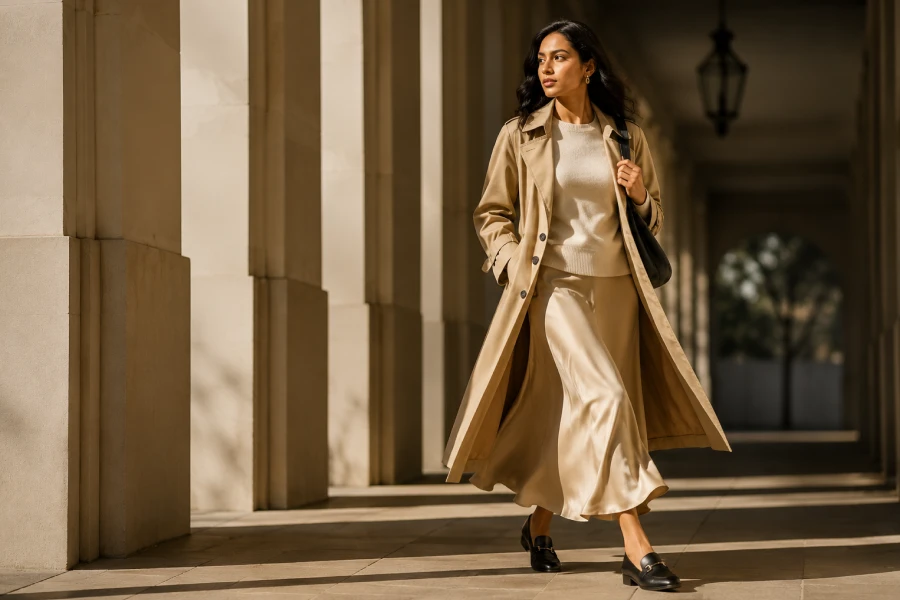
Shoes can make an outfit feel grounded, refined, playful, or unexpectedly modern. Learning how to style shoes for every season helps you use your wardrobe more creatively while avoiding unnecessary purchases. The goal is not to own a separate collection for every month. It is to understand how weather, fabric weight, color, and proportion influence your choices. A good pair can move through several seasons when styled with intention. Sandals may work beyond summer, boots can look light enough for spring, and loafers can bridge unpredictable weather beautifully. The key is adjusting the surrounding outfit rather than replacing everything. This mindset turns footwear into a flexible styling tool. It also helps you shop for pieces that truly earn their place. Once you see shoes as part of an outfit’s architecture, seasonal dressing becomes much easier.
Every shoe choice begins with the conditions you expect to face. Temperature matters, but so do pavement, rain, travel, long walks, and indoor plans. A beautiful shoe becomes less useful when it cannot support the day ahead. In warm months, summer shoe styling works best when breathable materials meet relaxed outfit proportions. Open sandals can sharpen linen trousers, while sleek sneakers can keep a dress casual. The goal is to create comfort without letting the outfit feel unfinished. Consider the visual weight of the shoe against exposed skin and lightweight fabrics. A delicate outfit usually benefits from a shoe that feels equally light. By matching the shoe’s mood to the season’s pace, you create looks that feel natural rather than overly planned.
The most valuable footwear often performs best during changing weather. Transitional seasons ask for shoes that can handle cool mornings, warmer afternoons, and unexpected rain. Loafers, ankle boots, low-profile sneakers, and closed-toe flats often become especially useful. During autumn, fall footwear outfits feel stronger when they combine texture, depth, and clean lines. A leather loafer can anchor soft knitwear and tailored trousers. A slim ankle boot can give denim a sharper finish without adding excessive heaviness. Pay attention to socks, hemlines, and the amount of ankle you show. Those small decisions often determine whether a transition look feels intentional. Well-chosen footwear lets you extend seasonal favorites instead of putting them away too soon.
Seasonal dressing becomes more practical when you respond to actual conditions. A chilly spring day may call for boots even when your calendar says otherwise. A warm fall afternoon may still suit loafers or polished sneakers. Weather-aware dressing protects both comfort and style. In colder months, winter shoe layering helps create outfits that feel warm without looking bulky. Taller boots can balance longer coats and heavier trousers. Chunkier soles add grounding weight beside oversized outerwear. However, the surrounding pieces should keep the outfit from becoming visually heavy. Try adding a streamlined bag, cleaner trouser shape, or lighter knit layer. This balance keeps winter footwear feeling polished rather than purely functional. Practicality becomes more stylish when every element supports the same visual direction.
Color is one of the easiest ways to make footwear feel appropriate across changing months. Light neutrals often work beautifully with warm-weather fabrics and spring layers. Deeper browns, oxblood tones, charcoal, and black can bring richness to fall and winter outfits. Yet seasonal color rules do not need to be rigid. A bright shoe can add lift to dark outerwear, while a dark shoe can ground a pale summer outfit. Look for connections between the shoe and another detail in the outfit. That connection might be a belt, sunglasses, bag, or subtle stripe. Repeating a color creates cohesion without requiring an exact match. Once you understand that principle, more of your existing shoes become useful. The result is a collection that feels broad even when it remains carefully edited.
Many people underestimate how much mileage they can get from one adaptable pair. A clean leather sneaker can work with summer dresses, autumn denim, winter trousers, and spring skirts. A simple loafer can appear polished with tailoring or relaxed with straight-leg jeans. During lighter months, spring shoe combinations often benefit from contrast between practical footwear and fresh, airy layers. Pair a structured shoe with soft cotton, light denim, or an easy trench. This creates definition without making the look feel too formal. The best seasonal wardrobe is not made of isolated pieces. It is made of shoes that adapt when the styling around them changes. That approach saves money, space, and decision-making energy. It also makes personal style feel far more consistent throughout the year.
A good shoe choice should feel connected to the rest of what you wear. It should reflect the outfit’s level of polish, its volume, and the occasion ahead. This does not mean every piece must match perfectly. Instead, aim for a clear relationship between the shoe and the clothing. A tailored outfit may benefit from a sleek loafer, boot, or low heel. A relaxed outfit can handle a more casual sneaker, sandal, or textured flat. Consider how the shoe changes your posture and the way you move. Comfort influences confidence more than most styling tricks. When footwear supports your day and complements your clothes, it becomes more than a finishing touch. It becomes part of the reason the outfit works.



Leave a comment