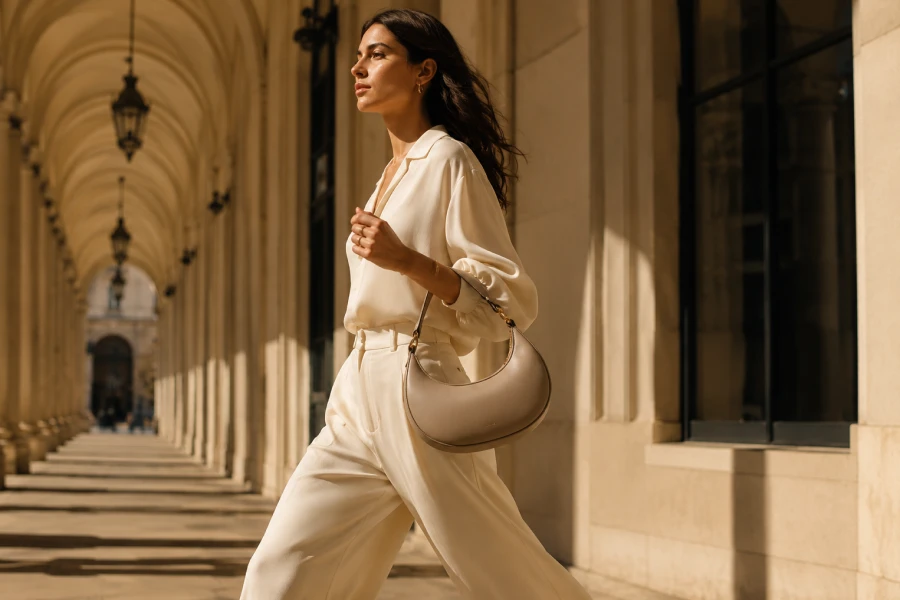
Accessories often decide whether an outfit feels merely finished or genuinely memorable. A handbag quietly influences proportion, movement, and the overall mood of what you wear. Handbag shapes trending now reflect a broader desire for personality without sacrificing daily usefulness. Some silhouettes feel polished and architectural, while others look soft, relaxed, or deliberately unexpected. That variety gives everyday dressers more freedom to shape their wardrobes with intention. Instead of buying another bag because it looks familiar, you can choose one that adds a new visual rhythm. The right outline can sharpen a simple blazer, soften tailored trousers, or modernize a classic dress. It can also make repeated closet staples feel newly considered. This is why shape deserves attention before color, hardware, or a recognizable label. Once you understand silhouettes, shopping becomes less impulsive and far more personal.
Trend awareness works best when it supports the clothes you already enjoy wearing. A sharply defined frame may bring structure to loose knits and fluid skirts. Meanwhile, rounded styles can make tailored separates look more approachable. Consider how structured handbags create a confident counterpoint to casual layers. Their clean edges often make simple outfits appear more deliberate. Softer silhouettes offer an equally useful contrast when your wardrobe includes crisp shirts or fitted jackets. Fashion becomes easier when every accessory has a visual job. A bag can emphasize your waistline, add width near the hip, or create a sleek vertical line. Those subtle effects matter more than a passing color story. Learning to notice them helps you buy pieces that continue working after a trend cycle shifts.
Proportion explains why one bag feels effortless while another seems disconnected from an outfit. Petite styles can create an airy finish beside wide-leg denim or a voluminous coat. Larger pieces bring grounding weight to delicate dresses and narrow silhouettes. The current appeal of mini bags comes from their ability to add focus without adding bulk. They turn essentials into a compact styling detail rather than a practical afterthought. Still, smaller does not always mean better for every occasion. Your bag should leave enough visual space around the outfit’s strongest lines. Notice where it falls against your body when carried naturally. A bag placed near the waist creates a different impression than one resting at the hip. Thoughtful proportion turns a familiar outfit into a balanced composition.
The most useful accessory choices begin with a realistic view of your routine. Think about commuting, dinners, errands, workdays, and the items you carry most often. A beautiful style fails quickly when it cannot support the pace of your day. For hands-free movement, crossbody bags offer practical ease while keeping an outfit visually light. Their diagonal strap also introduces an interesting line across simple tops and outerwear. That detail can make neutral outfits feel styled without requiring extra accessories. Weekend plans may call for softness and flexibility instead of rigid polish. Office days may benefit from a silhouette that reads more composed. Your preferred shape should serve your habits before it serves a photograph. That honest approach creates a wardrobe that looks better because it functions better.
Versatility does not mean choosing only quiet, predictable pieces. It means knowing which shapes can move across different outfits and occasions. A curved shoulder bag may complement denim one day and a slip skirt the next. A boxier style can make relaxed tailoring feel more intentional. The appeal of statement bag silhouettes is that they provide an instant focal point without demanding a completely new wardrobe. One sculptural detail can refresh pieces you have worn repeatedly. The secret is pairing bold form with clothing that has a clear, calm foundation. Let the bag lead while the rest of the outfit supports it. This balance prevents a look from becoming overly busy. It also makes creative choices feel wearable beyond a single event.
Fashion confidence often grows through better editing rather than constant buying. When you know which outlines flatter your outfits, fewer purchases feel necessary. You begin comparing shapes instead of being distracted by surface details alone. That shift makes online shopping more measured and satisfying. It also helps you identify gaps in your collection with greater accuracy. Perhaps you own several casual totes but no polished evening option. Maybe every bag has soft edges, even though your tailoring would benefit from structure. A silhouette-focused approach reveals those patterns quickly. You can then choose one meaningful addition instead of several almost-right options. Over time, your accessories begin to support a clearer personal point of view. The result is a collection that feels current without looking overly dependent on trends.
Before committing to a new handbag, picture it beside at least five outfits you already wear. Include an everyday look, a work option, an evening outfit, and something relaxed. This quick test reveals whether the shape has genuine range. Pay attention to scale, strap placement, and how easily the bag works with your outerwear. A strong choice should feel exciting without forcing you to reinvent your closet. It should also carry what you need with reasonable ease. Trend-led purchases become smarter when personal utility remains part of the decision. The best silhouette is rarely the loudest option in the room. It is the one that makes you reach for your favorite clothes more often. That is the kind of style momentum worth building.

Leave a comment